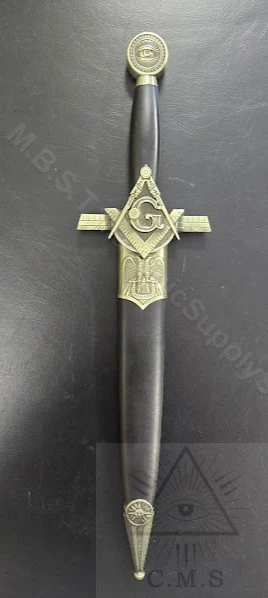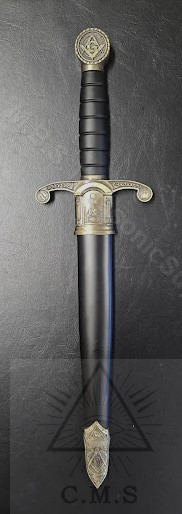
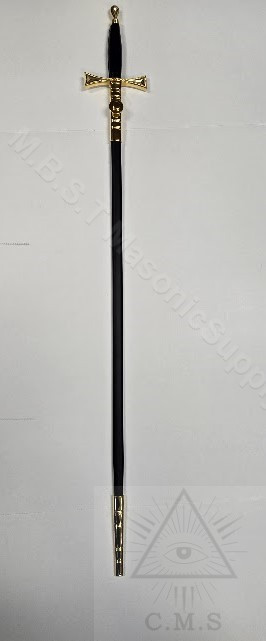
Templar swords are the centrepiece of a Knight Templar's regalia. Whether you are buying your first or replacing a worn one, a little knowledge about blades, hilts and belts goes a long way, and saves buying twice.
For a newly received Knight Templar, the sword is often the most memorable part of his regalia. It is carried in ceremony, it represents the knightly ideals of the Order, and a good one will last a lifetime. This guide explains what to look for when buying a Templar sword in Canada.
Why Templars carry swords
The Masonic Knights Templar draw their symbolism from the medieval military religious orders. The sword represents the knight's duty to protect the innocent and defend the faith. In Preceptory, swords are used in ceremonies and drill, and Knights are taught how to carry, draw and salute with them.
Check your Preceptory's requirements first
Before buying, ask your Preceptor or Marshal:
- Does the Preceptory lend swords to new Knights, or do members buy their own?
- Is there a preferred style or hilt?
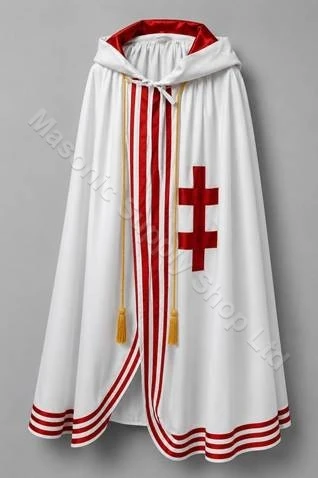
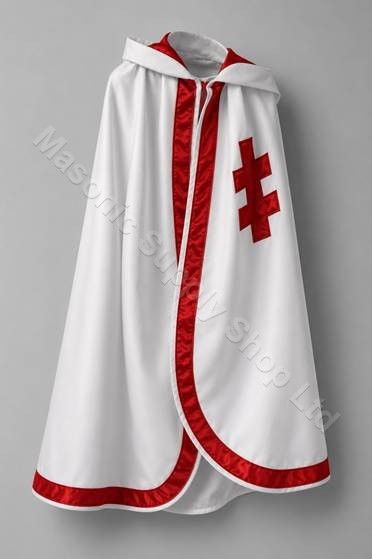
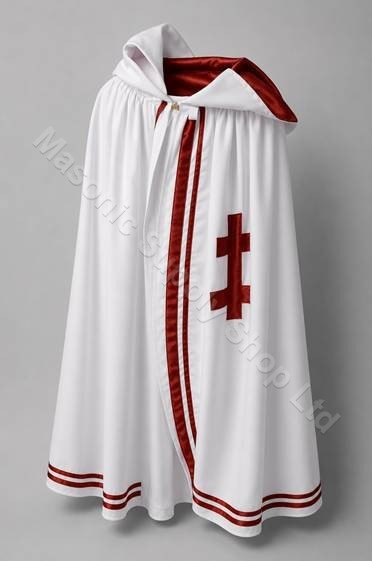
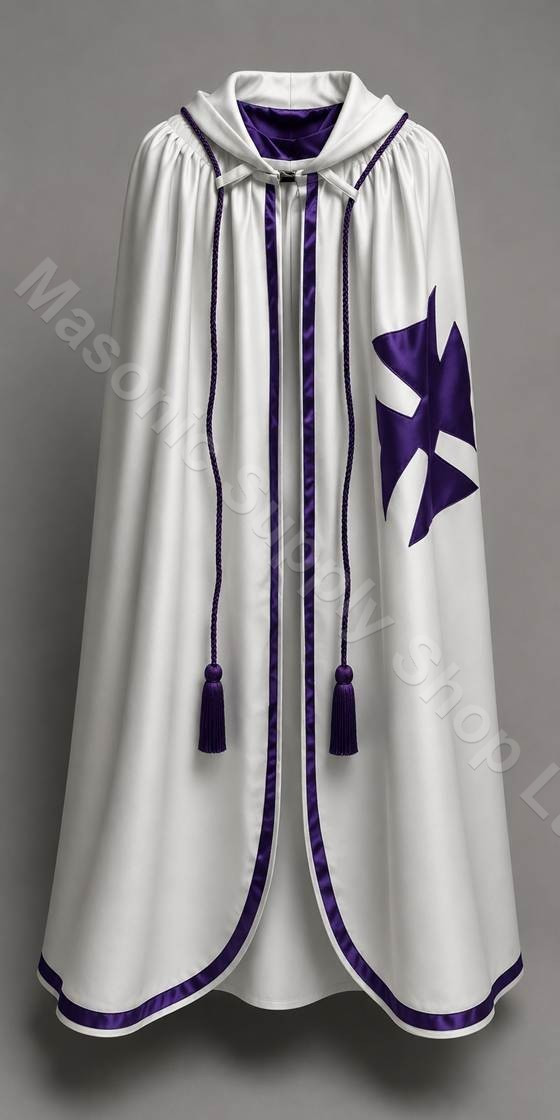
- What belt and scabbard are worn with the mantle?
- Are there rules for the Sovereign Great Priory or the District?
Canadian Templar customs differ from the American Commandery system, which has its own uniforms and sword patterns. Buying the right sword the first time avoids disappointment.
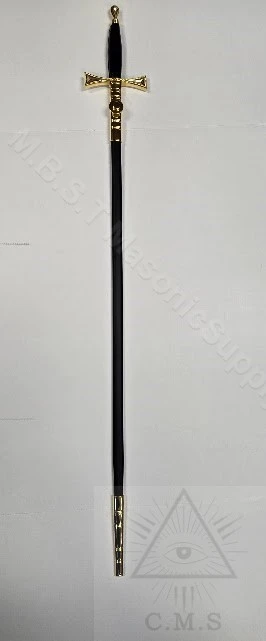
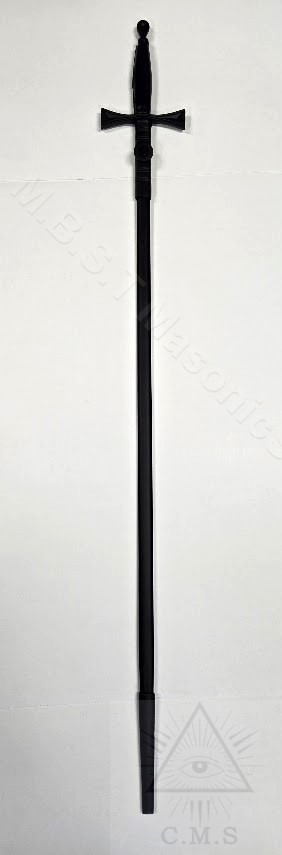
Anatomy of a Templar sword
- The blade. Templar swords are ceremonial, not combat weapons. Blades are often etched or engraved with Templar emblems such as the cross and crown.
- The hilt. This includes the grip, the cross-guard and the pommel. Cross-guards often take the form of a cross, a reminder of the Order's Christian character.
- The scabbard. It protects the blade and attaches to the belt. Metal scabbards are durable and look sharp; leather-covered scabbards are lighter.
Length
Swords come in different lengths. A sword that's too long drags and is awkward in drill; one that's too short looks out of proportion. Many suppliers suggest a length based on your height. If you're particularly tall or short, ask.
Belts and hangers
You'll need a way to carry the sword. See our guide to sword belts and fitting for the common options and how to adjust them.
Buying second-hand
Swords often pass from Knight to Knight. A second-hand sword can be a good choice, but check that the blade sits firmly in the hilt, the scabbard fittings are intact and there's no deep rust. Some families donate a late Knight's sword back to his Preceptory.
Travelling with a sword
A sword is a bladed item. Check airline rules before flying, and carry it in a proper case when travelling by car to District or Grand Priory events.
Templar swords in procession
Templar swords are seen at their best in procession and at Divine Services, when Knights march and salute together. Matching swords, belts and mantles give a Preceptory a uniform look, which is one reason many Preceptories agree on a preferred style. If several new Knights are joining at once, consider ordering your Templar swords together.
Where to buy
The Canadian Masonic Supply Shop in Alberta carries Knight Templar swords, belts and related items, as well as other Knight Templar regalia.
FAQ
Is the sword sharp?
Ceremonial Templar swords are normally not sharpened, but treat any blade with care.
Can I hang my sword on the wall at home?
Yes. A wall mount keeps it safe from damp and from children. Keep it away from heat and direct sun.
Do I need a sword before I'm received?
Usually not. Ask your Preceptory, which may lend one for your reception.